Critters in my terrarium?

Updated: Feb 7
Not all movement in a terrarium is a problem. In fact, some of it is essential.
The tiny white insects you may notice moving through the soil are called springtails. Springtails are a beneficial part of a healthy terrarium ecosystem. They feed on fungi, mold and decaying organic matter, helping maintain microbial balance and prevent outbreaks before they become visible. Most springtails are so small they’re barely noticeable, and that’s exactly how they should be.
Their presence is a sign of balance, not neglect.
What about gnats?
Occasionally, fungus gnat eggs can already be present in potting soil and may hatch after the terrarium is sealed. If this happens, you can either leave them inside or briefly open the lid and allow them to escape. Fungus gnats are harmless to the plants themselves, though they can be visually distracting. If your terrarium is big enough you can place a yellow sticky trap (you can cut it in half if needed). You can also spray with 70% ethanol and leave the terrarium open for long enough so all the ethanol will evaporate and leave the terrarium before you seal it again (best way to know: smell the terrarium before you reseal it, and about an hour after. If it still smells like ethanol, you didn't wait long enough, and open it again. This will take care of the adult gnats, but not the eggs. In order to get rid of the eggs the soil needs to be heavily watered with 1:4 ration of 3% hydrogen peroxide and filtered water. If you have moss, remove it before, as moss is sensitive to hydrogen peroxide. Place a fine mesh over your terrarium to prevent the gnats from flying back inside, and wait enough time until the soil is dry enough. (This is a big headache as it sounds, but gnats in terrariums do not bring serenity, they bring annoyance).
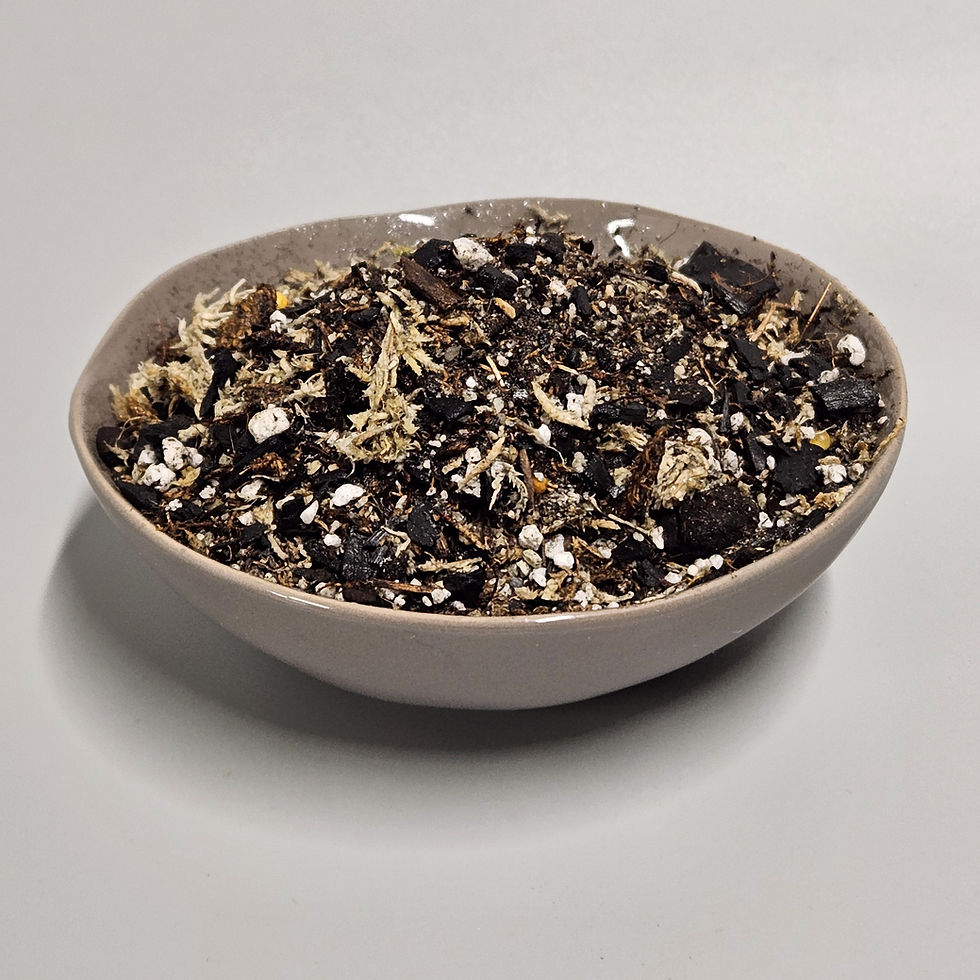
This is why soil selection and restraint in watering are critical parts of sealed terrarium care.
Rare visitors: snails and slugs
On rare occasions, a tiny snail or slug may hatch inside the terrarium, or being introduced to the terrarium while planting. Unlike springtails, these should be removed if spotted, as they feed on live plant tissue and can disrupt plant growth over time. Carefully remove them as soon as possible to preserve long-term stability. If you build a terrarium yourself, always carefully observe the plants before you place them, and remove the potting soil that arrived with the plant by washing the roots in cold water (often times this soil is infested with unwanted critters). You will know you have an earthworm or a slug if you notice holes in your terrarium leaves. Usually they are more easily located early in the morning or after lights-out as these are nocturnal animals.
The TerraTamar principle
A terrarium is not sterile, it’s intentional.
Life is welcome when it contributes to balance.
Precision in materials, restraint in intervention, and respect for the ecosystem are what keep a sealed terrarium clear, calm, and thriving over time.

Comments